
About us · PetVerity Partners
We aren’t consolidators. We’re collaborators.
PetVerity is a founder-owned partner for independent emergency and specialty hospitals in the Southeast.
There’s no private equity fund behind us and no fund deadline telling us when to sell. We’re building a business we intend to stay with.

Co-founder & CEO
Jon St. Hilaire
Jon’s background is in software engineering, entrepreneurship, and financial analysis. He leads partnership planning, finances, and the systems behind the business.
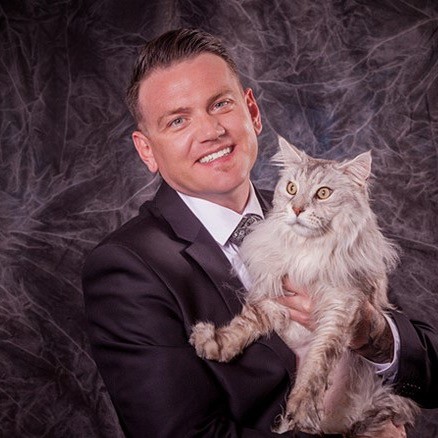
Co-founder & COO
Jason Bitting
Jason started as a veterinary assistant more than 20 years ago. His experience includes 15 years in hospital administration and regional operations, including ER and specialty hospitals. He leads operations at PetVerity.
Why we started
You’ve built more
than a business.
You’ve found good people, earned the trust of referring veterinarians, and become the person everyone calls when something goes wrong.
Wanting help with that doesn’t mean you’re ready to walk away. You might love the clinical work and be very ready for someone else to handle payroll.
We started PetVerity to take on that business burden, support the people doing the work, and leave medical decisions with the doctors. Jason brings experience running hospitals. Jon brings financial planning and business systems. We want to put those skills to work alongside your team.
What a partnership could change
What partnership
looks like in practice.
Before a partnership, we’d agree which responsibilities you want to keep, what you want to hand over, and who will do the work.
What stays with your hospital
- Medical decisions
- Your hospital’s qualified medical leaders make clinical decisions and set standards of care. Our role is to support their work.
- Your name and your people
- We intend to keep established hospital names where practical. Retaining experienced people and planning changes with local leaders come first.
- Relationships with referring vets
- We support clear communication and returning patients to their referring veterinarians. Our focus is ER and specialty care.
Where we can take work off your plate
- Payroll and administration
- Agree who handles the recurring business work, so it doesn’t keep landing back on the owner.
- Recruiting and staffing
- Work with hospital leaders on doctor and technician coverage, vacancies, and support for the existing team.
- Purchasing, equipment, and reporting
- Take on agreed responsibilities for suppliers, equipment planning, financial reporting, and business systems. We won’t require a software change just to make hospitals match.
You can explore staying invested.
A partnership can include keeping an ownership stake and participating in the hospital’s future. We can also explore a full exit. Your role, the terms, and decision rights would be agreed together.
How a partnership could workWhat long term means
No fund.
No exit clock.
PetVerity is owned by its founders. Our plan is to own and support hospitals indefinitely, without a planned resale of the group.
With no fund-driven exit deadline, we can consider a new specialist, equipment, or an expansion on what makes sense for the hospital over time.
Financial performance matters because it pays for people, equipment, and patient care. It’s how a hospital keeps investing in its future.
Our approach to hospital ownershipWhere we are today
We’re at the beginning.
We haven’t completed a hospital partnership yet. Our first partners will work directly with both founders and help shape how PetVerity supports hospitals.
Start a conversation
Talking doesn’t
commit you to anything.
Maybe you want to keep practicing with less of the business on your plate, take some value out of what you’ve built, or plan a gradual step back. Or maybe you’re just curious. Any of those is a good reason to talk.
“I come from technology, where an idea on Monday can be something people are using on Friday. I want to bring that kind of energy to veterinary medicine. Listen to the doctors and their teams, build something useful, learn from it, and keep making it better. Do that every week, for years, and you can change what a hospital feels like to work in—and what it can do for the patients who need it.”